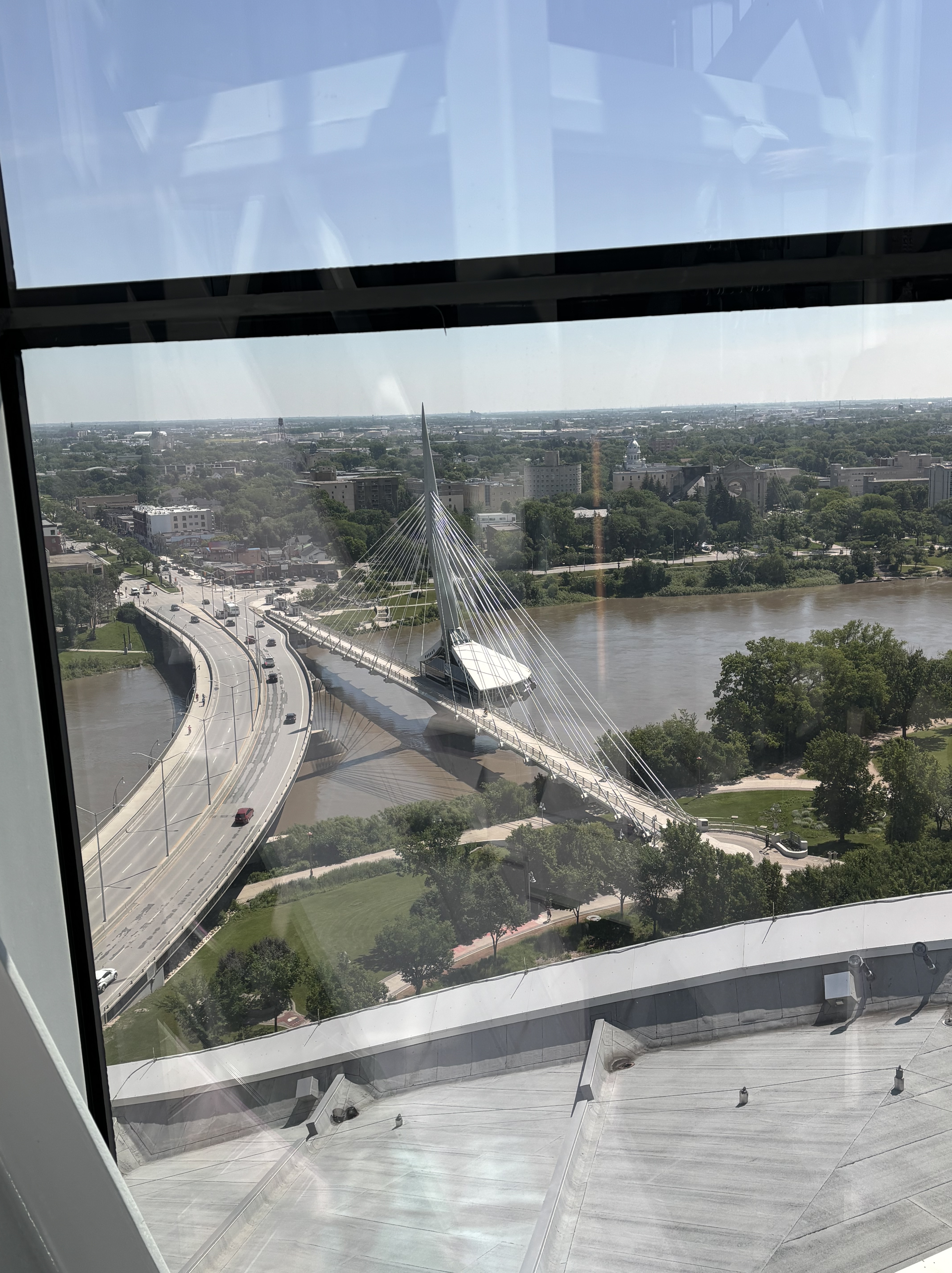
For over 6000 years those words have been spoken by various First Nations, fur traders and the Metis as the junction of the Red and Assiniboine Rivers served as a crucial meeting point, trading hub and season campsite long before European arrival. Called “Nestawya” in the Cree language, it is now home to downtown Winnipeg and in particular the site of the Canadian Museum of Human Rights.
The first Europeans to visit the Forks were the exploration party of the French fur trader Pierre Gaultier de Varennes in 1734. We would come to know him from our Canadian history classes as Pierre de La Verendrye, He established Fort Rouge near by and this started the settlement of the area by the French. The name “Winnipeg” was first recorded as a placename for the city in 1866 when the local newspaper adopted the moniker. It is -from the Cree or Ojibwe word “win-nipi” and means “murky” or “muddy” water” and originally referred to the Lake of the same name. If you have seen the Red River in the spring or summer after a rain you would understand why. The Manitoba legislature passed an act in 1873 making it official.
In November of 1873, the Northwest Mounted Police arrived and began their basic training for their “March West” and the Canadian Pacific Railroad reached the area in 1881.
Visiting Winnipeg provided us with another opportunity to share a meal with an old friend from London Life days. We met for a few hours and again shared news of children, grandchildren, old friends and reminisced about former business associates.
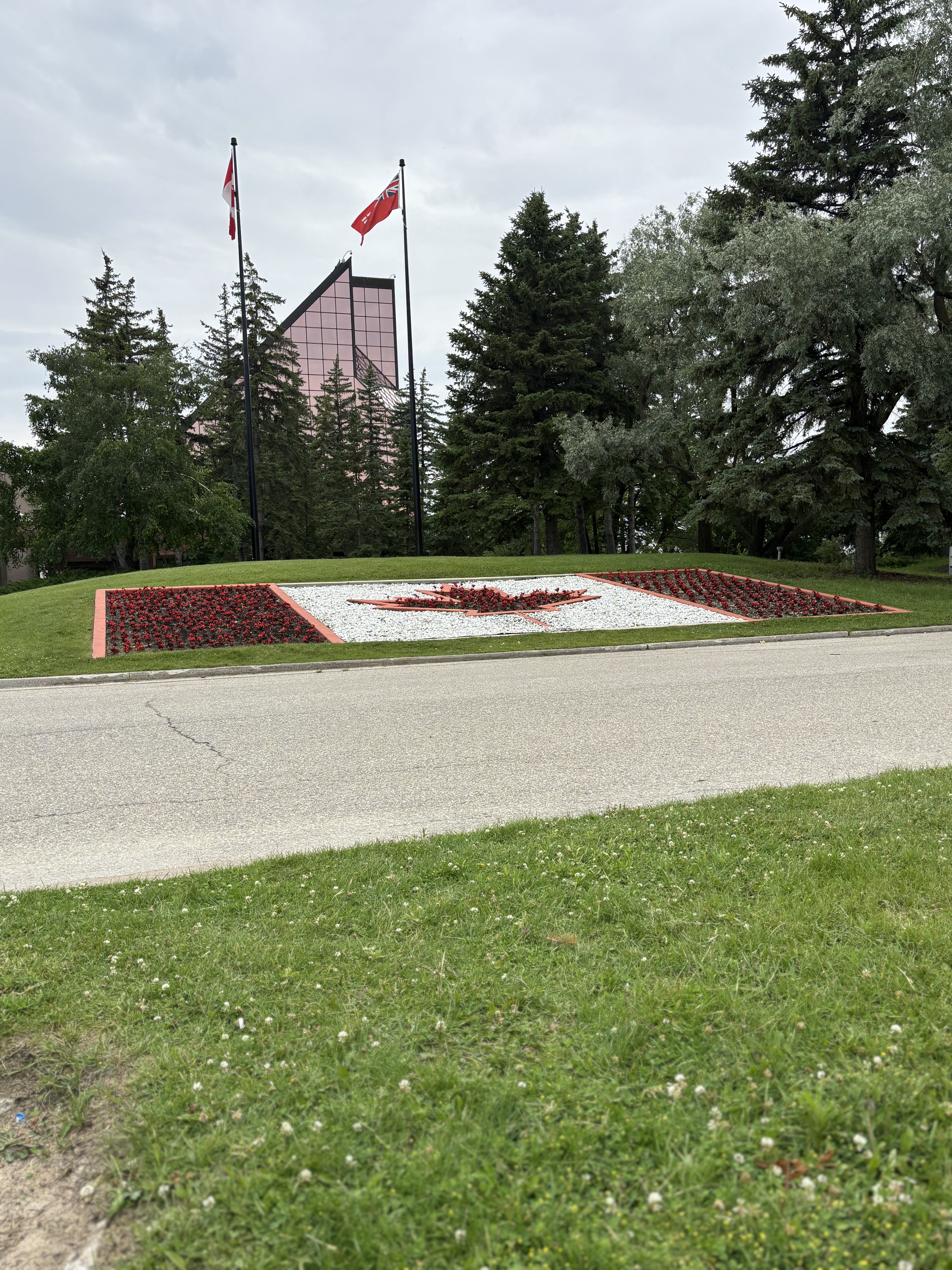
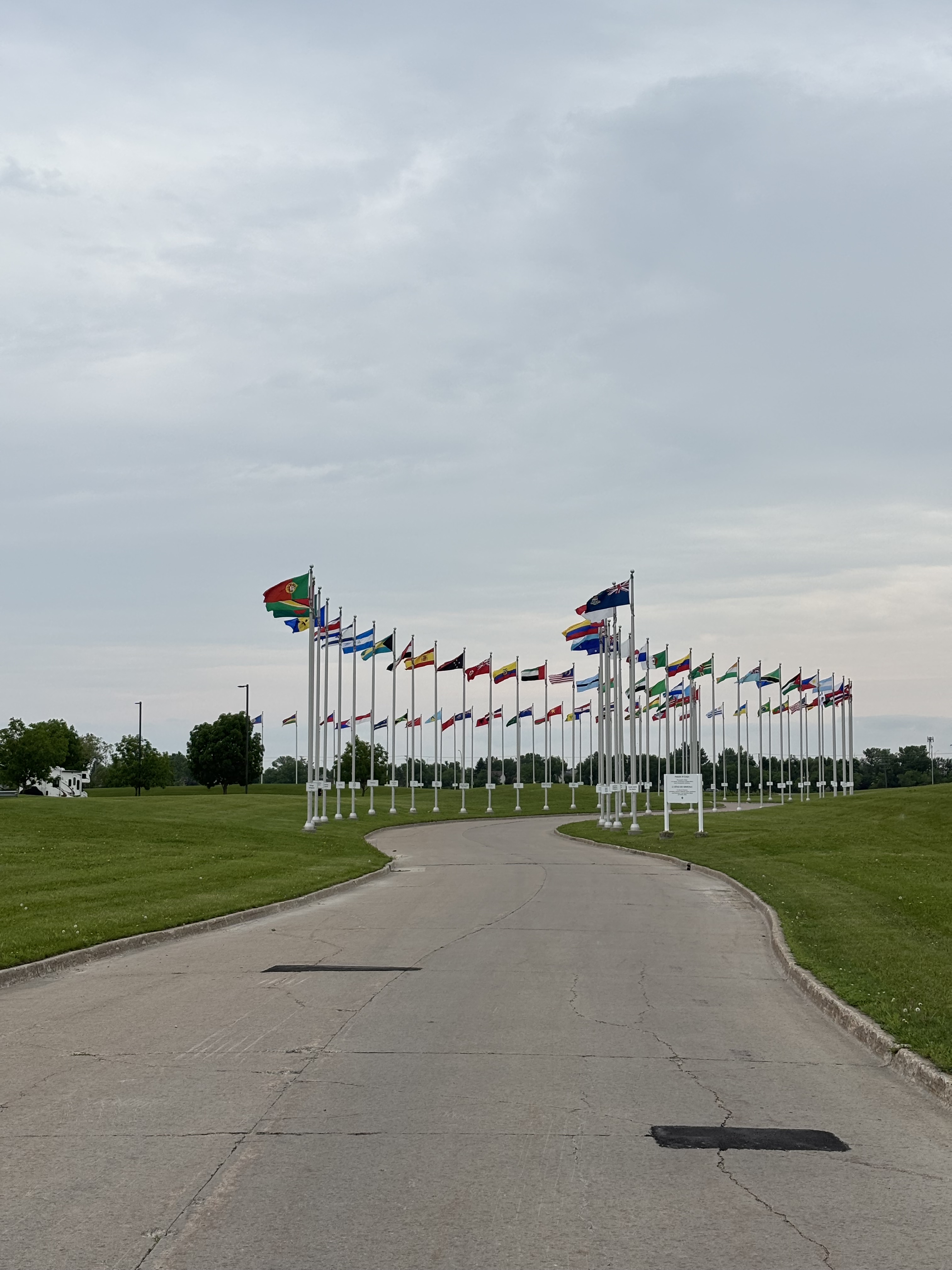
The rain has finally let up (to a degree) so we venture out after lunch to visit the Canadian Mint. Very impressive building located on the eastern side of the city. Beautiful architecture. Inside it is a “numismatist” dream. A gift shop with a stunning display of coin sets for sale. I love this sort of thing. Having inherited from my father his coin collection, I have added to it over the years with some proof sets and my most prized possession, a full set in a display case of the Olympic Coin set from the ’88 Calgary Olympics. In addition there is an elevated gallery with additional display cases that explain the minting process. The windows in the gallery also offer an expansive view of the minting machines. The mint makes coinage for over 80 countries worldwide. The flags of those countries line the driveway as you enter the mint grounds.
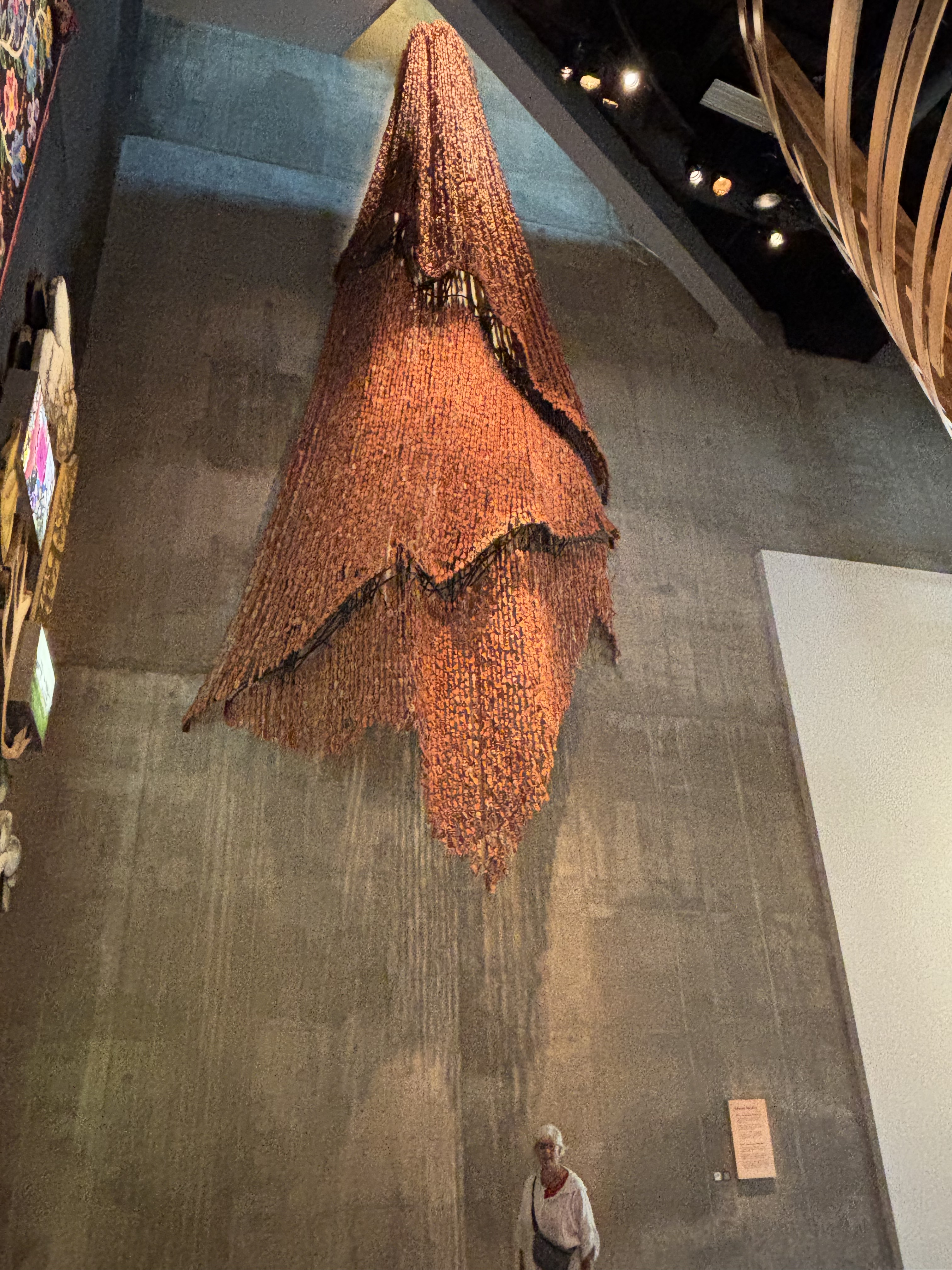
Saturday dawns bright and sunny so we ventured out again. This time the destination is the Canadian Museum of Human Rights. Based on the inspiration of the late Izzy Asper, prominent Winnipeg lawyer, politician and businessman, the idea was conceived in July 2000. He envisioned a place where people from across Canada could come and learn about human rights. The museum’s official opening on September 20. 2014, was not without controversy as many groups felt their own human rights histories had been inaccurately depicted or left out completely. I for one enjoyed our morning there and would recommend it as a Winnipeg attraction not to be missed.
The next item on the agenda today was to find a big screen tv in front of which we could watch the “big game”. Unfortunately, as most people know Canada fought valiantly but ultimately fell to the Moroccans and so came the end to Canada’s World Cup journey. Still a pretty good showing.
Back on the road tomorrow heading ever eastward so I will wish you all “miyo-tipiskanisik”, or “spend the night well.”